
2026 CEU Institute
May 11–15, 2026
About the CEU Institute
Five days of live, interactive continuing education built for Utah's licensed mental health professionals.
Meet your synchronous renewal requirements in a single week with unique sessions led by expert clinicians, leading researchers, policymakers, and the frontline specialists actively shaping behavioral health in Utah. Two concurrent sessions run simultaneously throughout the week. You choose which to attend live. All sessions are recorded and added to an on-demand library, so nothing is lost.
All proceeds from this inaugural event will be reinvested in students through scholarships at the College of Social Work.
Questions? Please direct all inquiries to csw-ceu-institute@utah.edu
Live Dates
Monday, May 11 – Friday, May 15, 2026
Daily Morning Sessions:
9:00 am – 12:00 pm (MDT)
Daily Afternoon Sessions:
1:00 pm – 4:00 pm (MDT)
Location
Synchronous Online via Zoom Webinar
or
Asynchronous Online via On-Demand Recordings
Registration Options
| Mode of Attending | Price |
|---|---|
|
Full Event + 1 Year On-Demand (Live + On-Demand) BEST VALUE! Full Event + 1 Year On-Demand (Live + On-Demand) BEST VALUE!
|
$440 |
|
Live All-Access (No On-Demand) Live All-Access (No On-Demand)
|
$297 |
|
Live Individual Session (No On-Demand) Live Individual Session (No On-Demand)
|
$45 |
On-Demand Library Only
|
$150 |
- 25% discount available for University of Utah College of Social Work alumni and practicum supervisors (discount code emailed to those who qualify)
- All registration levels are non-refundable
- Live sessions are available for purchase until 11:59 pm (MDT) on May 10th.
FAQ
A: Not necessarily. You have a few options depending on how you prefer to attend:
- If you can't attend live sessions, choose an On-Demand package so you can watch sessions anytime (available for 1 year) on your schedule.
- If you plan to attend live sessions but also want access to all recordings, choose the Live + On-Demand package.
- If you only want to attend live and don't need recordings, a Live-Only package will work for you.
A: Each 3-hour session equals 3 CEU credits. You can earn enough credits to cover a full two-year renewal cycle for most license types, all in one week!
- Live + On-Demand or On-Demand Only: Earn up to 60 CEUs
- Live Only: Earn up to 27 CEUs
Click here for more answers to frequently asked questions
Agenda & Speakers
| 9 AM – 12 PM |
|
|---|---|
| 9 AM – 12 PM |
|
| 1 – 4 PM |
|
| 1 – 4 PM |
|
| 1 – 4 PM |
|
 The Golden Thread of Risk, Need, and Responsivity
Brad Lundahl, PhD, Licensed Psychologist, LCSW
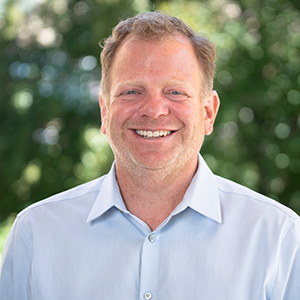 Brad Lundahl earned a PhD in Clinical Psychology from Northern Illinois University.
He is an associate professor in the College of Social Work at the University of Utah.
Dr. Lundahl is most interested in researching factors that motivate people to change
individual behaviors. He has been trained in Motivational Interviewing by one this
approach's cofounders, Dr. Bill Miller and recently published a manuscript with the
other cofounder, Dr. Stephen Rollnick. At the University, Dr. Lundahl publishes on
evidence-based practices and teaches in areas of clinical practice and research. In
addition to University work, Brad owns a small private practice, Compass Counseling
and Consulting, where he works with individuals and families. Brad strives to integrate
research and practice to benefit both efforts.
Brad Lundahl earned a PhD in Clinical Psychology from Northern Illinois University.
He is an associate professor in the College of Social Work at the University of Utah.
Dr. Lundahl is most interested in researching factors that motivate people to change
individual behaviors. He has been trained in Motivational Interviewing by one this
approach's cofounders, Dr. Bill Miller and recently published a manuscript with the
other cofounder, Dr. Stephen Rollnick. At the University, Dr. Lundahl publishes on
evidence-based practices and teaches in areas of clinical practice and research. In
addition to University work, Brad owns a small private practice, Compass Counseling
and Consulting, where he works with individuals and families. Brad strives to integrate
research and practice to benefit both efforts.
Ariel Richer, PhD, LCSW
 Dr. Richer is an interventionist who engages in community-driven research to co-create
culturally-tailored interventions and services. Specifically, she is interested in
addressing the substance use, intimate partner violence, and HIV and STI risk (SAVA)
syndemic. She works with Black, Indigenous, and queer communities who experience structural
stigma related to drug use, involvement in the criminal-legal system, sexuality, and
racism. Additionally, Dr. Richer seeks to increase access to psychedelics and Indigenous
plant medicines therapies among BIPOC communities. Finally, she is the Co-Founder/Director
of Research at the Urban Indigenous Collective, a community-based public health non-profit
that ensures access to culturally-tailored services to Indigenous people living in
Lenapehoking (New York City) and the surrounding tri-state area through research,
advocacy, and programming.
Dr. Richer is an interventionist who engages in community-driven research to co-create
culturally-tailored interventions and services. Specifically, she is interested in
addressing the substance use, intimate partner violence, and HIV and STI risk (SAVA)
syndemic. She works with Black, Indigenous, and queer communities who experience structural
stigma related to drug use, involvement in the criminal-legal system, sexuality, and
racism. Additionally, Dr. Richer seeks to increase access to psychedelics and Indigenous
plant medicines therapies among BIPOC communities. Finally, she is the Co-Founder/Director
of Research at the Urban Indigenous Collective, a community-based public health non-profit
that ensures access to culturally-tailored services to Indigenous people living in
Lenapehoking (New York City) and the surrounding tri-state area through research,
advocacy, and programming.
Tami Fullerton, LCSW
 Tami Fullerton LCSW, has worked for the Utah Department of Health and Human Services
in the Division of Juvenile Justice and Youth Services since the late 1900's. She
has worked in facilities as a line staff as well as being a facility director for
over 15 years. She is currently a therapist supervisor, supervising mental health
clinicians in some of our remote facilities across the southern end of Utah (for those
familiar it is everything south of Provo). She also supports our case management teams
across the state for youth in JJYS custody who do not make expected progress and have
complex needs. In her free time Tami loves to read, spend time with her partner and
their boxer/pitbull, and ride her bicycle near beautiful St. George, Utah where she
has lived for most of her life.
Tami Fullerton LCSW, has worked for the Utah Department of Health and Human Services
in the Division of Juvenile Justice and Youth Services since the late 1900's. She
has worked in facilities as a line staff as well as being a facility director for
over 15 years. She is currently a therapist supervisor, supervising mental health
clinicians in some of our remote facilities across the southern end of Utah (for those
familiar it is everything south of Provo). She also supports our case management teams
across the state for youth in JJYS custody who do not make expected progress and have
complex needs. In her free time Tami loves to read, spend time with her partner and
their boxer/pitbull, and ride her bicycle near beautiful St. George, Utah where she
has lived for most of her life.
Chera Mann, LCSW, EMDRIA Consultant
 Chera Mann is a licensed clinical social worker. She is dedicated to helping individuals,
families, and professionals understand mental health and find ways to improve their
quality of life. Chera graduated with a Master's degree in Social Work in 2016 with
a focus on trauma in families. She has worked with children, youth, and adults in
various settings, including private practice, community mental health, court-ordered
treatment, and in-home therapy with DCFS-involved families. Chera is especially passionate
about treating trauma and enjoys teaching and consulting with other professionals
to help them improve their knowledge and skills about evidence-based concepts and
treatment methods. She is trained in many evidence-based modalities, including DBT,
CBT, TFCBT, EMDR, IFS, and MI. Chera is also a certified EMDR consultant.
Chera Mann is a licensed clinical social worker. She is dedicated to helping individuals,
families, and professionals understand mental health and find ways to improve their
quality of life. Chera graduated with a Master's degree in Social Work in 2016 with
a focus on trauma in families. She has worked with children, youth, and adults in
various settings, including private practice, community mental health, court-ordered
treatment, and in-home therapy with DCFS-involved families. Chera is especially passionate
about treating trauma and enjoys teaching and consulting with other professionals
to help them improve their knowledge and skills about evidence-based concepts and
treatment methods. She is trained in many evidence-based modalities, including DBT,
CBT, TFCBT, EMDR, IFS, and MI. Chera is also a certified EMDR consultant.
Sara Simpson, LCMHC, C-DBT, CYP-500
 Sara Simpson is a licensed clinical mental health counselor. She began her career
in education as an English teacher and learned that she especially loved working with
at-risk youth. She later graduated with an MS in Clinical Mental Health Counseling
in 2018, and has worked with JJYS in the State of Utah since 2021. She has previous
experience working in residential treatment programs, middle and high schools, Adult
Probation & Parole, and community mental health centers with a focus on DBT, EMDR,
Acceptance & Commitment Therapy, and Compassion-Focused Therapy. Her current role
as a Clinical Trainer in JJYS blends her experience of teaching, curriculum development,
and clinical work, and she is especially passionate about supporting staff who are
working directly with young people. When she's not working, Sara enjoys reading &
writing poetry, going on hikes with her dogs Blue and Maverick, and hanging out with
her kids at home.
Sara Simpson is a licensed clinical mental health counselor. She began her career
in education as an English teacher and learned that she especially loved working with
at-risk youth. She later graduated with an MS in Clinical Mental Health Counseling
in 2018, and has worked with JJYS in the State of Utah since 2021. She has previous
experience working in residential treatment programs, middle and high schools, Adult
Probation & Parole, and community mental health centers with a focus on DBT, EMDR,
Acceptance & Commitment Therapy, and Compassion-Focused Therapy. Her current role
as a Clinical Trainer in JJYS blends her experience of teaching, curriculum development,
and clinical work, and she is especially passionate about supporting staff who are
working directly with young people. When she's not working, Sara enjoys reading &
writing poetry, going on hikes with her dogs Blue and Maverick, and hanging out with
her kids at home.
Jesse Higgens, PhD, LMFT
 Jesse Higgins is the Clinical Director for Utah Juvenile Justice and Youth Services.
He received his MS in Marriage & Family Therapy from a joint program of the University
of Nebraska-Lincoln and the University of Nebraska Medical Center. He also has a PhD
from Utah State University in Family & Human Development with specializations in statistics,
adolescent development, and parenting. He has practiced individual, couple, and family
therapy for over 15 years and is a Clinical Fellow and Approved Supervisor with the
American Association of Marriage & Family Therapy. On the weekends, he loves to spend
time with his wife, son, and 2 Springer Spaniels, ideally around a campfire.
Jesse Higgins is the Clinical Director for Utah Juvenile Justice and Youth Services.
He received his MS in Marriage & Family Therapy from a joint program of the University
of Nebraska-Lincoln and the University of Nebraska Medical Center. He also has a PhD
from Utah State University in Family & Human Development with specializations in statistics,
adolescent development, and parenting. He has practiced individual, couple, and family
therapy for over 15 years and is a Clinical Fellow and Approved Supervisor with the
American Association of Marriage & Family Therapy. On the weekends, he loves to spend
time with his wife, son, and 2 Springer Spaniels, ideally around a campfire.
Jeremy Christensen, LCSW
 Jeremy Christensen is a Licensed Clinical Social Worker, working as an Assistant Superintendent
and Forensic Director at Utah State Hospital since January 2020. He was an Assistant
Director at the Utah Division of Substance Abuse and Mental Health, Department of
Human Services, from 2013-2019, with oversight of mental health programming, including
crisis care, suicide prevention, homelessness, and trauma-focused services in the
state of Utah. Previously, he worked for four years as the Chief Executive Officer
of Valley Services, Inc., a social enterprise employing individuals with serious mental
illness, substance use disorders, and other employment barriers. He served for five
years as Executive Director of Alliance House, Inc., a recovery program for adults
with serious mental illness. He also worked for Valley Mental Health as a case manager,
mental health crisis clinician, therapist, and program manager. Jeremy has worked
as a faculty member with the University of Phoenix, teaching graduate and undergraduate
courses in Social Work, Psychology, and Sociology since 2004, and as a field faculty
working with interns for the University of Utah School of Social Work for ten years
Jeremy Christensen is a Licensed Clinical Social Worker, working as an Assistant Superintendent
and Forensic Director at Utah State Hospital since January 2020. He was an Assistant
Director at the Utah Division of Substance Abuse and Mental Health, Department of
Human Services, from 2013-2019, with oversight of mental health programming, including
crisis care, suicide prevention, homelessness, and trauma-focused services in the
state of Utah. Previously, he worked for four years as the Chief Executive Officer
of Valley Services, Inc., a social enterprise employing individuals with serious mental
illness, substance use disorders, and other employment barriers. He served for five
years as Executive Director of Alliance House, Inc., a recovery program for adults
with serious mental illness. He also worked for Valley Mental Health as a case manager,
mental health crisis clinician, therapist, and program manager. Jeremy has worked
as a faculty member with the University of Phoenix, teaching graduate and undergraduate
courses in Social Work, Psychology, and Sociology since 2004, and as a field faculty
working with interns for the University of Utah School of Social Work for ten years
Deborah Carr, MEd
 Deborah Carr, MEd, has worked in animal-assisted interventions since 1997 and is a
Pet Partner Instructor, Evaluator, Evaluator Instructor, and National Program Educator for Pet Partners—the leading national organization for animal-assisted interventions. Prior to her
nine-year tenure as executive director of Utah Pet Partners, she spent over 30 years
teaching students with disabilities and developing programs in animal-assisted interventions.
She earned a bachelor’s degree in nursing and master’s degree in early childhood education
from the University of Utah, later adding a certificate in Animals and Human Health
from the University of Denver’s Graduate School of Social Work.
Deborah Carr, MEd, has worked in animal-assisted interventions since 1997 and is a
Pet Partner Instructor, Evaluator, Evaluator Instructor, and National Program Educator for Pet Partners—the leading national organization for animal-assisted interventions. Prior to her
nine-year tenure as executive director of Utah Pet Partners, she spent over 30 years
teaching students with disabilities and developing programs in animal-assisted interventions.
She earned a bachelor’s degree in nursing and master’s degree in early childhood education
from the University of Utah, later adding a certificate in Animals and Human Health
from the University of Denver’s Graduate School of Social Work.
| 9 AM – 12 PM |
|
|---|---|
| 9 AM – 12 PM |
|
| 1 – 4 PM |
|
| 1 – 4 PM |
|
 Beyond Co-Location: Building Truly Integrated Healthcare
Lori Watsen, LCSW
 Lori Watsen is a Lecturer/Assistant Professor for the University of Utah's College
of Social Work and a self-proclaimed social work geek. She received her MSW from Boise
State in 2002 and worked for many years providing clinical and practical support for
people with cancer and their families. Lori enjoys spending time with friends and
family, reading, cooking, and watching movies. She and her family spend a lot of time
in their camper van exploring and playing in the beautiful Idaho outdoors and beyond.
Lori Watsen is a Lecturer/Assistant Professor for the University of Utah's College
of Social Work and a self-proclaimed social work geek. She received her MSW from Boise
State in 2002 and worked for many years providing clinical and practical support for
people with cancer and their families. Lori enjoys spending time with friends and
family, reading, cooking, and watching movies. She and her family spend a lot of time
in their camper van exploring and playing in the beautiful Idaho outdoors and beyond.
Stacey Bank, MD

Stacey Bank, MD, is a board-certified family physician and Executive Medical Director for the Utah Department of Health and Human Services. She provides clinical leadership across the department, including correctional health, and previously served as a medical director for an integrated health clinic. Dr. Bank has dedicated her career to caring for under-resourced and high-need populations, with experience in refugee health, tribal health, and complex patients. Her work focuses on improving access, coordination, and outcomes through a population health approach.
Rachel Johnson, LCSW

Rachel Johnson, LCSW, is a doctoral student in social work at the University of Utah and a practicing clinician specializing in trauma-informed therapy. She works with adolescents and adults, with a focus on healing from childhood sexual abuse through attachment-based and evidence-based approaches, including EMDR, IFS, DBT, and ACT. Rachel has extensive experience facilitating psychoeducational groups and trainings, particularly with survivors of trauma, and has contributed to research on resilience, mental health, and violence prevention. Her work integrates clinical practice, research, and teaching, with a focus on fostering connection, meaning-making, and ethical care in therapeutic settings
Brandon Callor, CSW

Brandon Callor earned a master’s degree in social work from the University of Oklahoma and is currently working on licensure as a Licensed Clinical Social Worker (LCSW). He is a Certified Social Worker (CSW) in Utah. As President of the board of directors for Utah Chapter of the American Foundation for Suicide Prevention, his focus is on saving lives and bringing hope to those affected by suicide.
Eric Yoshio Jesús Tadehara, LCSW, MPA
 Eric Yoshio Jesús Tadehara has worked for the Utah Office of Substance Abuse and Mental
Health since 2013 in various roles across substance use, prevention, and children's
mental health. Eric currently serves as the Director of SUMH. He has worked in the
field of social work since 2008 in roles including: direct clinical practice working
with children, adolescents, youth in transition, and adults with mental health, substance
use needs, and intellectual disabilities; crisis evaluation and management; and behavioral
health administration. Eric is also an adjunct professor at Weber State University,
where he teaches Bachelor's and Master's level social worker classes. He received
his Bachelor of Social Work (BSW) from Weber State University and his Master of Social
Work (MSW) & Master of Public Administration (MPA) from the University of Utah.
Eric Yoshio Jesús Tadehara has worked for the Utah Office of Substance Abuse and Mental
Health since 2013 in various roles across substance use, prevention, and children's
mental health. Eric currently serves as the Director of SUMH. He has worked in the
field of social work since 2008 in roles including: direct clinical practice working
with children, adolescents, youth in transition, and adults with mental health, substance
use needs, and intellectual disabilities; crisis evaluation and management; and behavioral
health administration. Eric is also an adjunct professor at Weber State University,
where he teaches Bachelor's and Master's level social worker classes. He received
his Bachelor of Social Work (BSW) from Weber State University and his Master of Social
Work (MSW) & Master of Public Administration (MPA) from the University of Utah.
| 9 AM – 12 PM |
|
|---|---|
| 9 AM – 12 PM |
|
| 9 AM – 12 PM |
|
| 1 – 4 PM |
|
| 1 – 4 PM |
|
 Collaborative Care: Integrating Systems in a Correctional Environment
 Invisible Wounds of Service: Clinical Care for Veterans, Service Members, and Military
Families
Invisible Wounds of Service: Clinical Care for Veterans, Service Members, and Military
FamiliesSarah Larmore, LCSW, CCTSW
Sarah Larmore is an LCSW and Director of Psychological Health with the Army National Guard, bringing extensive experience in behavioral health, military culture, and trauma-informed care. She is passionate about supporting service members, families, and fellow professionals through education, collaboration, and advocacy. Sarah also currently serves as the President-Elect for the Utah Chapter of NASW, where she works to strengthen the social work profession through connection, amplifying their voices, and advocating for the resources and recognition they need.
David Derezotes, PhD, LCSW

Dr. Dave Derezotes is a Professor Emeritus in the University of Utah College of Social Work (CSW) and retired Director of Peace and Conflict Studies at the U of U, where he has received many awards in teaching, service, and scholarship. Dr. Derezotes has published 8 textbooks, including “Spiritually oriented social work practice,” and started one of the first MSW spirituality classes in the country at the CSW (that lasted about 30 years). He currently teaches classes for the U of U Osher program and facilitates LCSW consultation groups. He also participates in the DialogueDocs Program on KRCL radio, facilitates community center dialogues, and continues to see clients and offer training in his private practice.
Alexandra Audu, MD
 Alexandra Audu, MD completed a residency in psychiatry and a fellowship in forensic
psychiatry at the University of Michigan. She worked for a forensic state hospital
in Michigan for several years before joining Correctional Health Services in August
2025. She enjoys working with individuals with serious and persistent mental illness
who are also involved in the criminal/legal system.
Alexandra Audu, MD completed a residency in psychiatry and a fellowship in forensic
psychiatry at the University of Michigan. She worked for a forensic state hospital
in Michigan for several years before joining Correctional Health Services in August
2025. She enjoys working with individuals with serious and persistent mental illness
who are also involved in the criminal/legal system.
Ellie Madenberg
 Ellie Madenberg is a licensed recreation therapist and soon-to-be substance use counselor
at the Utah State Correctional Facility. In her role, Ellie applies recreation and
leisure interventions to support individuals and groups through various stages of
change related to mental health and substance use. Recreation therapy is a vital component
of our programs, as it reduces the risk of adverse outcomes while promoting prosocial
engagement, recovery, and adaptive functioning.
Ellie Madenberg is a licensed recreation therapist and soon-to-be substance use counselor
at the Utah State Correctional Facility. In her role, Ellie applies recreation and
leisure interventions to support individuals and groups through various stages of
change related to mental health and substance use. Recreation therapy is a vital component
of our programs, as it reduces the risk of adverse outcomes while promoting prosocial
engagement, recovery, and adaptive functioning.
Joshua Stephens, PhD
 Dr. Stephens completed his undergraduate degree in Kinesiology at the University of
Utah in 2019 and earned his Doctorate of Occupational Therapy from Indiana Wesleyan
University in 2024. As part of his doctoral capstone, he developed the occupational
therapy program at the Utah State Correctional Facility (USCF), specifically focusing
on care for the SMI population. He has served as a clinical lead at USCF for two years,
working with the most acute patient population. His work focuses on life skill development
for inmates, including restrictive housing management, medication adherence, and productive
coping. He is currently working as an occupational therapist for Correctional Health
Services at the Utah Department of Health and Human Services.
Dr. Stephens completed his undergraduate degree in Kinesiology at the University of
Utah in 2019 and earned his Doctorate of Occupational Therapy from Indiana Wesleyan
University in 2024. As part of his doctoral capstone, he developed the occupational
therapy program at the Utah State Correctional Facility (USCF), specifically focusing
on care for the SMI population. He has served as a clinical lead at USCF for two years,
working with the most acute patient population. His work focuses on life skill development
for inmates, including restrictive housing management, medication adherence, and productive
coping. He is currently working as an occupational therapist for Correctional Health
Services at the Utah Department of Health and Human Services.
Amanda Alkema, LCSW
 Amanda Alkema earned a Bachelor of Social Work degree with a minor in Criminal Justice
from Weber State University in 2008, followed by a Master of Social Work degree from
the University of Utah in 2009. She has 18 years of experience in the behavioral health
field, including fourteen years in clinical and administrative roles. Her expertise
includes developing and implementing behavioral health services, crisis stabilization,
and forensic programs. A significant portion of her career has been dedicated to serving
individuals within the justice system who are experiencing serious mental illness.
Amanda Alkema earned a Bachelor of Social Work degree with a minor in Criminal Justice
from Weber State University in 2008, followed by a Master of Social Work degree from
the University of Utah in 2009. She has 18 years of experience in the behavioral health
field, including fourteen years in clinical and administrative roles. Her expertise
includes developing and implementing behavioral health services, crisis stabilization,
and forensic programs. A significant portion of her career has been dedicated to serving
individuals within the justice system who are experiencing serious mental illness.
Troy Andersen, PhD, MSW, MS, LCSW
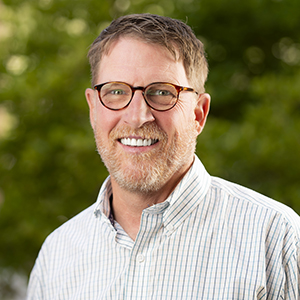
Troy Christian Andersen, PhD., MSW, MS, LCSW, is a Professor- Lecturer in the College of Social Work at the University of Utah. Dr. Andersen worked for 13 years as a dementia specialist clinical social worker at the Center for Alzheimer’s Care, Imaging, and Research at the University of Utah School of Medicine. Dr. Andersen received his PhD in Social Work with an emphasis in developing proactive dementia care services for individuals in the early stages of the disease and other aging-related topics.
Leilani Taholo, PhD, LCSW

Presenter Leilani Anne Ha’akaiko’okalani Katoa-Taholo’s ancestors are from the Pacific Islands of Tonga and from the Big Island of Hawai’i. She comes from Tongan, Hawaiian, Chinese, and Norwegian ethnic descent. Her doctoral dissertation research employed Indigenous epistemology throughout her qualitative research, resulting in the development of the curriculum “Kaimana: A Pacific Islander-Based Training and Curriculum Kit for Culturally Responsive Conflict Resolution and Trauma Intervention.” The manual is currently in its final edit before copyright and publication. Working in the field of social work for 44 years, Dr. Taholo is the Director and Co-owner of Child and Family Empowerment Services, a local community outpatient mental health agency.
| 9 AM – 12 PM |
|
|---|---|
| 9 AM – 12 PM |
|
| 1 – 4 PM |
|
| 1 – 4 PM |
|
 Policy to Practice: Enhancing Outcomes for Justice-Involved Individuals with SUD
 Building Strong Beginnings: Social Work and Infant Mental Health in Practice
Misty McIntyre Goodsell, PhD, LCSW
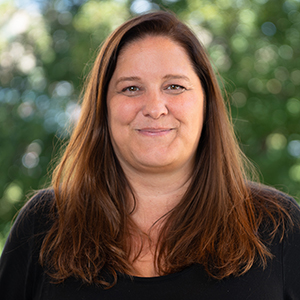 Dr. Misty McIntyre Goodsell is a Research Assistant Professor at the University of
Utah Social Research Institute and a Licensed Clinical Social Worker. She has extensive
experience bridging clinical practice and applied research, with a focus on trauma,
substance use, and systems serving vulnerable populations. She has held leadership
roles in program evaluation, quality improvement, and grant-funded research across
behavioral health and social service settings. Her work draws on both qualitative
and quantitative methods and is grounded in over two decades of clinical practice.
Dr. McIntyre Goodsell brings a trauma-informed, evidence-based perspective to clinical
social work education, emphasizing practical application and real-world relevance.
Dr. Misty McIntyre Goodsell is a Research Assistant Professor at the University of
Utah Social Research Institute and a Licensed Clinical Social Worker. She has extensive
experience bridging clinical practice and applied research, with a focus on trauma,
substance use, and systems serving vulnerable populations. She has held leadership
roles in program evaluation, quality improvement, and grant-funded research across
behavioral health and social service settings. Her work draws on both qualitative
and quantitative methods and is grounded in over two decades of clinical practice.
Dr. McIntyre Goodsell brings a trauma-informed, evidence-based perspective to clinical
social work education, emphasizing practical application and real-world relevance.
Christian Sarver, PhD
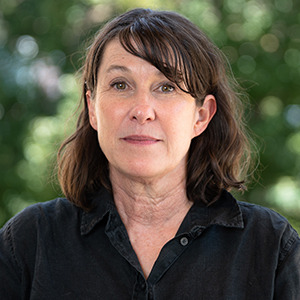 Dr. Christian Sarver is a Research Assistant Professor in the University of Utah College
of Social Work. She is the Associate Director for UCJC and has leadership experience
working on a number of criminal justice research projects. She has served as project
manager on multiple federal and state-funded research projects examining offender
reentry, probation and parole practice, and criminal justice policy. During that time,
she has led and contributed to many studies that employ qualitative and quantitative
research methods to understand the experience of persons in the criminal and juvenile
justice systems. She is experienced in a range of qualitative analytic methods, including
content analysis, narrative analysis, framework analysis, and grounded theory. She
is also a certified assessor of the Correctional Program Checklist (CPC) and has supervised
and conducted CPC assessments in juvenile and adult correctional facilities since
2012
Dr. Christian Sarver is a Research Assistant Professor in the University of Utah College
of Social Work. She is the Associate Director for UCJC and has leadership experience
working on a number of criminal justice research projects. She has served as project
manager on multiple federal and state-funded research projects examining offender
reentry, probation and parole practice, and criminal justice policy. During that time,
she has led and contributed to many studies that employ qualitative and quantitative
research methods to understand the experience of persons in the criminal and juvenile
justice systems. She is experienced in a range of qualitative analytic methods, including
content analysis, narrative analysis, framework analysis, and grounded theory. She
is also a certified assessor of the Correctional Program Checklist (CPC) and has supervised
and conducted CPC assessments in juvenile and adult correctional facilities since
2012
Erica Murdoch, LCSW
 Erica Murdoch is a licensed clinical social worker and a graduate of the U’s MSW program.
She is passionate about infant and early childhood mental health promotion, prevention,
and intervention, and holds an early childhood mental health endorsement. Her recent
work includes providing evidence-based treatment to young children and their families,
providing reflective supervision to student interns, and supporting research and teaching
endeavors at the U related to infant and early childhood mental health.
Erica Murdoch is a licensed clinical social worker and a graduate of the U’s MSW program.
She is passionate about infant and early childhood mental health promotion, prevention,
and intervention, and holds an early childhood mental health endorsement. Her recent
work includes providing evidence-based treatment to young children and their families,
providing reflective supervision to student interns, and supporting research and teaching
endeavors at the U related to infant and early childhood mental health.
Alysse Loomis
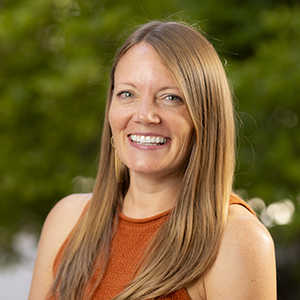 Alysse Loomis, PhD, is a licensed clinical social worker and Associate Professor in
the College of Social Work at the University of Utah. Her research focuses on developing
and evaluating trauma-informed early childhood systems to promote well-being for young
children who have experienced adversity and trauma. Alysse also teaches courses on
trauma-informed interventions and human development and is co-Project Director of
a federally funded infant mental-health training grant for social work and early-intervention
graduate students.
Alysse Loomis, PhD, is a licensed clinical social worker and Associate Professor in
the College of Social Work at the University of Utah. Her research focuses on developing
and evaluating trauma-informed early childhood systems to promote well-being for young
children who have experienced adversity and trauma. Alysse also teaches courses on
trauma-informed interventions and human development and is co-Project Director of
a federally funded infant mental-health training grant for social work and early-intervention
graduate students.
| 9 AM – 12 PM |
|
|---|---|
| 9 AM – 12 PM |
|
 Research Integrity Considerations in the Context of Social Work Practice
Alison Greer
 Alison Greer is program manager for the Office of Research Education (REd) at the
University of Utah. She has an extensive background in education, including a Master's
of Education in Educational Psychology from the University of Utah. She has worked
with REd for the past 4 years and has helped develop an outward-facing side of the
office to help offer trainings in research ethics, responsible conduct of research,
and mentoring to other institutions.
Alison Greer is program manager for the Office of Research Education (REd) at the
University of Utah. She has an extensive background in education, including a Master's
of Education in Educational Psychology from the University of Utah. She has worked
with REd for the past 4 years and has helped develop an outward-facing side of the
office to help offer trainings in research ethics, responsible conduct of research,
and mentoring to other institutions.
Caren Frost, PhD, MPH
 Caren J. Frost, PhD, MPH, is the University of Utah’s Associate Vice President for
Research Integrity & Compliance (AVPRIC) and the Associate Dean for Research in the
College of Social Work. Her areas of expertise are in qualitative research methods,
women’s health, and research integrity. After serving two years as a U.S. Peace Corps
Volunteer in Morocco, Caren completed her master’s degree in international population
and family health at Columbia University in New York. While New York was a fun and
exciting place to live, Caren decided to return to the University of Utah and complete
her PhD in Applied, Cultural, and Medical Anthropology. She served as the Director
of Strategic Operations for Utah’s Division of Child & Family Services.
Caren J. Frost, PhD, MPH, is the University of Utah’s Associate Vice President for
Research Integrity & Compliance (AVPRIC) and the Associate Dean for Research in the
College of Social Work. Her areas of expertise are in qualitative research methods,
women’s health, and research integrity. After serving two years as a U.S. Peace Corps
Volunteer in Morocco, Caren completed her master’s degree in international population
and family health at Columbia University in New York. While New York was a fun and
exciting place to live, Caren decided to return to the University of Utah and complete
her PhD in Applied, Cultural, and Medical Anthropology. She served as the Director
of Strategic Operations for Utah’s Division of Child & Family Services.
Jesse Morris, PhD
 Jesse Morris is the Director of Research Education and a Research Associate Professor
in Environmental Studies at the University of Utah. He is an alumnus of the University
of South Carolina and the University of Utah and earned a doctorate in Geography in
2012. He worked as a postdoc at the University of Helsinki and has led field campaigns
in Russia, Tasmania, and throughout the western US. He has published more than 30
peer-reviewed articles and currently leads two research grants from the National Science
Foundation. In his leisure time, he enjoys hiking, reading, and playing music.
Jesse Morris is the Director of Research Education and a Research Associate Professor
in Environmental Studies at the University of Utah. He is an alumnus of the University
of South Carolina and the University of Utah and earned a doctorate in Geography in
2012. He worked as a postdoc at the University of Helsinki and has led field campaigns
in Russia, Tasmania, and throughout the western US. He has published more than 30
peer-reviewed articles and currently leads two research grants from the National Science
Foundation. In his leisure time, he enjoys hiking, reading, and playing music.
Keri Jones-Fonnesbeck, LCSW

Keri Jones-Fonnesbeck is a Licensed Clinical Social Worker who has dedicated her career to creating trauma-informed, equitable systems for individuals, families, and communities. She serves as the Executive Director for Trauma Informed Utah, working with organizations across the state of Utah in the training and implementation of trauma-informed principles. Keri identifies as a mom, a social worker, a hope-keeper, and an equity champion.
*Subject to change. Please visit this webpage for the most up-to-date information.